How to Winterize Your Classic Car: 5 Essential Winter Storage Tips
Table of Contents
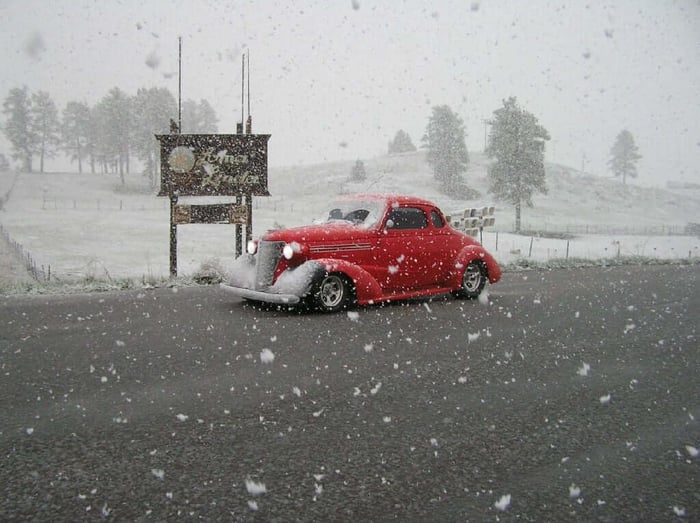
Here in Minnesota, we at QA1 know a thing or two about harsh winters. In northern climates like ours, most classic car owners choose storage over snowy roads to avoid salt, ice, and damage. But to keep your vintage ride in pristine condition, it’s essential to know how to winterize a classic car properly so it’s ready to shine when spring cruising season returns.
Before you tuck it away, make sure you know how to winterize your car for hibernation – if you do it right, it will stay in great shape and be ready to cruise come spring.
In this guide, we’ll cover five essential tips to prepare your classic car for winter storage. These DIY-friendly steps – covering everything from fresh fluids to pest prevention – will help keep your classic in top condition until the roads are clear and salt-free again.
1. Clean and Cover Your Car Thoroughly
The first step to winterizing is giving your classic a thorough cleaning. Hand wash the exterior, then apply a good coat of wax to protect the paint. Don’t forget the interior: vacuum, remove trash, and especially clear away anything food-related (crumbs or wrappers) that could attract pests.
Let the car dry completely. Trapped moisture can cause mold or mildew. Once dry, cover it with a high-quality breathable car cover. Avoid plastic tarps or non-breathable covers, which can trap moisture and damage paint.
Finally, think about your tires:
For short-term winter storage, inflate them slightly above normal to reduce flat spots.
For long-term storage, remove the wheels or roll the vehicle occasionally.
2. Fill the Tank and Stabilize the Fuel
Always store your classic car with a full tank of gas. A topped-off tank reduces air space and helps prevent condensation and rust inside the tank.
Add a fuel stabilizer additive and drive the car briefly to circulate it throughout the system. Stabilizer slows oxidation and prevents gasoline from turning into gum or varnish deposits that clog fuel lines or carburetors.
By filling the tank and stabilizing the fuel, you’ll keep gas fresh and ensure your classic starts smoothly in the spring.
3. Change the Oil and Top Off Fluids
When thinking about classic car winterization, it’s highly recommended to change your engine oil (and filter) before storing the car. Old, dirty oil can become acidic and cause damage to engine internals if it sits for months without running. Replacing it with fresh oil gives much better corrosion protection for your engine during a long idle period. Even if you’re not yet due for an oil change, it’s cheap insurance to do it now.
After putting in fresh oil, let the engine run for a few minutes to circulate the new oil throughout all the engine’s passages. If you’re able, starting the vehicle once a month, or throughout the winter can help keep internals in good condition.
Other fluids to check:
Coolant (antifreeze): Ensure the mix is filled up and in good condition – coolant loses effectiveness over time, and you want a strong mix so it won’t freeze and can protect against corrosion.
Brake fluid: If it’s old, replace it. Brake fluid naturally absorbs moisture over time, which can lead to rusted lines and calipers. Bleeding and refilling the brake fluid before storage is wise if it hasn’t been changed in a while.
The key is to start winter storage with all fresh fluids where possible, which minimizes the risk of internal corrosion or component damage while the car sits.4. Remove and Protect Your Battery
Batteries don’t like to sit unused in cold weather – a drained battery can even freeze and be ruined in winter temps.
The best practice is to disconnect your car’s battery and remove it for the winter. Store the battery in a dry, cool (but not freezing) place, or at least attach it to a trickle charger that will keep it charged up. This prevents the battery from slowly discharging over the long storage.
For more on battery storage, check out Optima Battery Maintenance and Storage guidelines.
5. Keep Rodents and Pests Away
The last thing you want is a family of mice nesting in your car over winter. Unfortunately, rodents seek out stored vehicles for the shelter and warmth, and they can do a lot of damage – chewing wiring, shredding upholstery for nesting material, and leaving droppings everywhere. Prevent damage with a few precautions:
- Seal off entry points: Close your car’s vents and air inlets, and stuff some steel wool or tinfoil into the exhaust pipe and any intake openings to block critters from crawling inside. These are common entry paths for mice.
- Use rodent repellents: Many classic owners also rely on strong scents to deter mice. For example, you can place scented dryer sheets inside the car, and scatter mothballs around the perimeter of the storage area. The powerful odors are believed to repel rodents – and at the very least, your car will smell fresh instead of musty!
Preventing pests is far easier (and cheaper) than repairing damage in spring.
By following these essential classic car winter prep tips, you’ll ensure your classic car stays safe, dry, and well-preserved throughout the winter. Proper winterization protects your car from rust, pests, and other hazards while it’s stored. Come spring, you can simply reconnect the battery, peel off the cover, and hit the road knowing your car is just as you left it.

FAQs
How do I store my car battery during the winter?
Remove the battery, keep it in a cool, dry place, and use a trickle charger to maintain charge. This prevents freezing and extends battery life.
How can I avoid flat spots on tires during long storage?
Inflate tires slightly above normal pressure, roll the car occasionally, or use jack stands to keep weight off the same patch of tire.
Should I fill the gas tank before storing my car for winter?
Yes. A full tank with added fuel stabilizer prevents moisture buildup, rust in the fuel system, and keeps gasoline from deteriorating over the storage months.
What fluids should I change or top off before storing a car for winter?
Change the engine oil and filter, and make sure coolant, brake fluid, and other fluids are fresh and at proper levels to reduce the risk of internal corrosion.
How do I protect my classic car from rodents during storage?
Seal entry points like vents and exhaust pipes, and use deterrents such as dryer sheets or mothballs inside and around the car to keep pests away.