Torque Arm vs. Leaf Spring: QA1’s Expert Breakdown
Table of Contents
Why Choose a Torque Arm Over Leaf Springs?
At QA1, we’ve engineered torque arm systems to solve the same problems leaf springs have struggled with for decades:
Axle Wrap & Wheel Hop: When you hit the gas hard, leaf springs flex into an S‑shape, causing binding and tire hop that kills traction. Torque arms eliminate that completely by controlling pinion motion directly.
Poor Adjustability & Ride Quality: Since leaf springs are fixed in place, they can only provide a fixed ride height and no tuning capability, often causing them to deliver poor ride quality. However, torque arm setups, paired with coilovers, deliver precise pinion angle control, shock tuning, and adjustable ride height.
What Makes QA1 Torque Arms the Real-World Winner?
- Purpose‑Built Design
QA1 torque arm kits are purpose built for performance, and adjustability. They improve traction and handling by eliminating flex points inherent in the leaf spring system. The vast amount of adjustability lets the user fine tune most aspects of the suspension to further improve stance, ride quality, pinion angle, and instant center. All of which improve performance and driving experience. - Optimized Instant Center (IC)
The front pivot of the torque arm becomes your suspension’s instant center. QA1 engineered this carefully for ideal anti‑squat behavior and traction response at launch without inducing roll-over steer. Enhanced Ride & Handling
The adjustable coilover shocks included in these suspension kits allow the user to fine-tune the ride quality for their intended use. Whether it's racing or cruising, QA1 adjustable shocks can be tuned to deliver the performance you desire.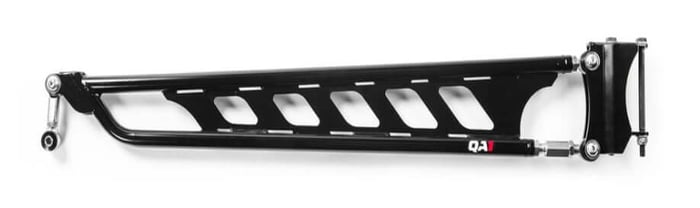
When Leaf Springs Still Make Sense
Simplicity & Cost: For mild street use or older platforms, leaf springs may still be viable—they’re cheap and straightforward. But when you demand performance, their drawbacks become clear fast.
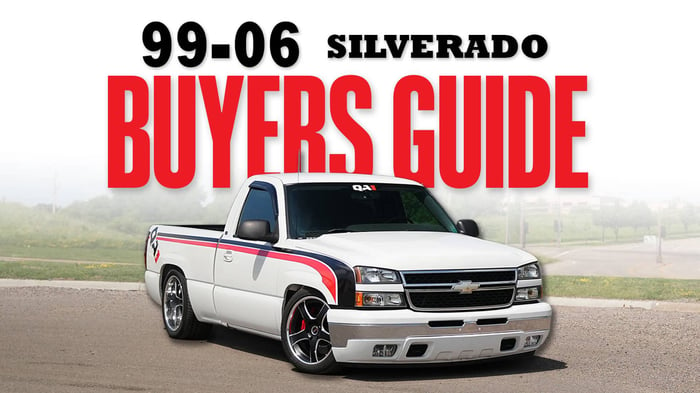
Factory Applications: Leaf springs remain common on trucks and older muscle cars, but their tradeoffs—especially under heavy torque—mean they’re seldom seen in serious modern builds.
Comparison at a Glance
| Feature | Leaf Spring | Torque Arm / QA1 System |
|---|---|---|
| Axle wrap / wheel hop | Prone to it | Controlled via torque arm |
| Ride quality & tuning | Limited to spring rates | Adjustable coilovers and shock valving |
| Instant center control | Fixed by spring mounting points | Precisely defined pivot—tunable geometry |
| Installation complexity | Simple bolt‑in | Requires additional bracketry, crossmembers, frame notching, and a more complex installation |
Bottom Line
If you’re looking to launch harder, reduce wheel hop, improve consistency, and tune for both street and strip, a torque arm rear suspension from QA1 is the clear upgrade over leaf springs. Our systems are engineered for torque‑resistant control, ride comfort, and reliable power delivery.
Unlike leaf springs, torque arms let you dial in performance without compromise. Whether you’re building a drag car, street‑rod cruiser, or street machine, QA1 torque arm systems give you the confidence and capability to drive without limits.
Want to Learn More?
Check out our full lineup of suspension components and vehicle‑specific conversion kits on QA1’s website. Our bolt‑in torque arm kits for classic trucks can cleanly replace leaf springs and deliver massive traction improvements. For most muscle‑car platforms, this upgrade is a night‑and‑day difference.
FAQs
What is a torque arm suspension system?
A torque arm suspension uses a long arm mounted to the rear axle and the transmission tunnel to control pinion angle and axle movement under load. It improves traction and reduces wheel hop, especially under hard acceleration.
Why are leaf springs still used in some vehicles?
Leaf springs are simple, inexpensive, and easy to package—especially in trucks and classic cars. However, they lack the ride quality, adjustability, and performance tuning of modern suspension systems like torque arms.
How hard is it to install a torque arm suspension?
QA1’s torque arm kits are designed as bolt-in solutions for many vehicles, with minimal fabrication required. Some applications may need a weld-in crossmember or tunnel brace.
What kind of shocks or coilovers work with a torque arm system?
QA1 torque arm kits are designed to pair with adjustable coilovers or shocks for full control over ride height, damping, and load handling. We offer complete kits tuned to your vehicle.
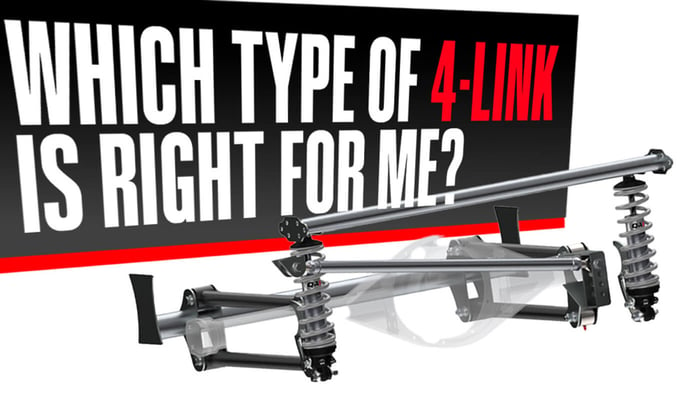
How does a torque arm compare to a 4-link setup?
While both improve traction and handling, torque arms are simpler with fewer links and reduced bind. They're ideal for vehicles where packaging space is limited or ease of installation is a priority.