Rod Ends: Self-Lubricating, Greasable Or Metal-to-Metal?
Table of Contents
- A Rod End Guide for OEMs and Industrial Design Engineers
- Metal-to-Metal Rod Ends: Built for Strength and High Heat
- Self-Lubricating Rod Ends: Low Maintenance, Smooth Operation
- Greasable Rod Ends: Serviceable for Extended Lifespan
- Which Rod End Is Right for Your Application?
- Count on QA1 for the Right Fit
- Let's Talk Solutions!
- FAQs
A Rod End Guide for OEMs and Industrial Design Engineers
(4-minute read)
When selecting rod ends for your application, it’s easy to get caught up in topic of strength—defined as load ratings. But rod end performance goes far beyond just how much force a component can handle. One of the most critical, and often overlooked, factors to consider is whether the rod end is lubricated (or not). The right lubrication strategy can dramatically impact service life, maintenance intervals, and system noise or vibration.
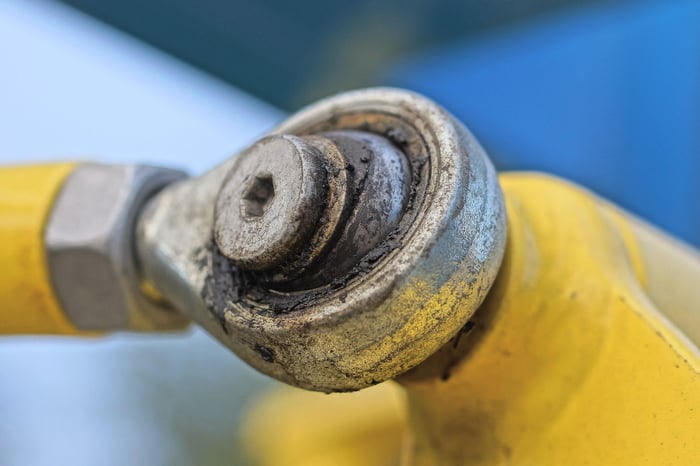
This guide breaks down the three most common rod end styles—metal-to-metal, self-lubricating, and greasable—and when each is the right fit. Whether you’re designing motion systems, heavy equipment, or specialty vehicles, understanding these options can help you boost performance and reliability.
Metal-to-Metal Rod Ends: Built for Strength and High Heat
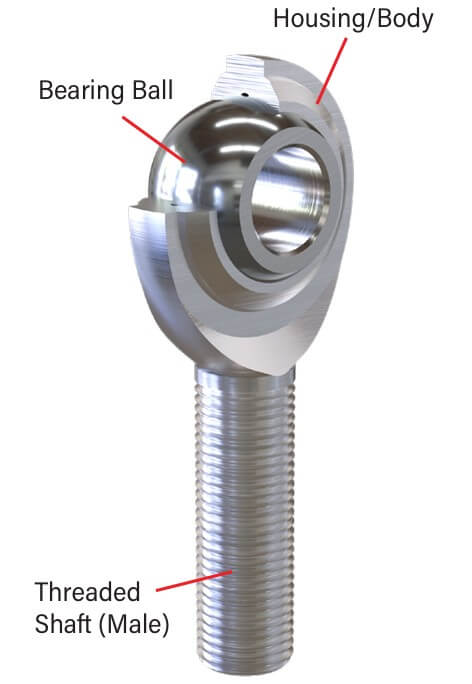 Example: C-Series Metal-to-Metal Rod End
Metal-to-metal rod ends are the simplest form of rod end bearing: the ball rides directly on the metal race surface with no internal lubrication or liner. This design is ideal for high-strength applications where lubrication isn’t necessary or may break down under extreme heat.
Best for:
Fixed-position assemblies
High-temperature environments
Applications where component strength is the top priority
Keep in mind:
Because there’s no liner or grease, a metal-to-metal rod end can transmit more noise and vibration. If NVH (noise, vibration, harshness) is a concern, consider a PTFE-lined alternative for a quieter, smoother operation.
Self-Lubricating Rod Ends: Low Maintenance, Smooth Operation
Self-lubricating rod ends feature a PTFE liner between the ball and the race, providing built-in lubrication with no need for ongoing greasing. These are especially well-suited for motion control systems or anywhere articulation is required.
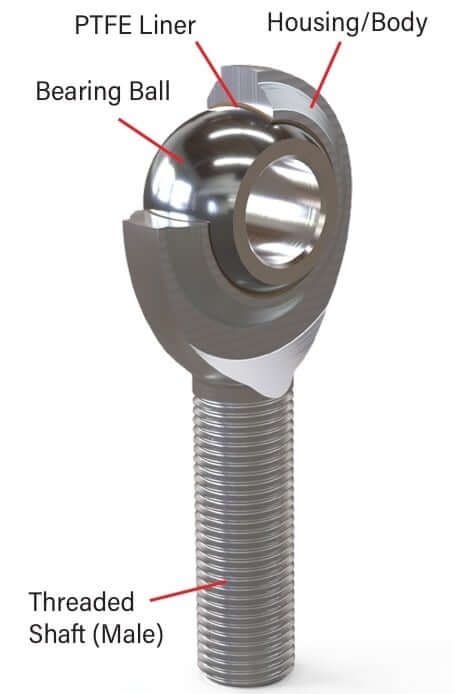 Example: G-Series Self-Lubricating (PTFE) Rod End
Benefits include:
Low maintenance – Ideal for hard-to-reach installations
Noise damping – The PTFE liner reduces vibration and eliminates squeaking
Clean operation – No grease mess in sensitive or sterile environments
Best for:
Systems with frequent movement or vibration
Applications where access for lubrication is difficult
Environments where noise and cleanliness matter
Temperature note:
PTFE-lined rod ends perform best between -65°F and 325°F. For applications outside that range, a greaseable rod end with high-temp grease may be the better choice.
Greasable Rod Ends: Serviceable for Extended Lifespan
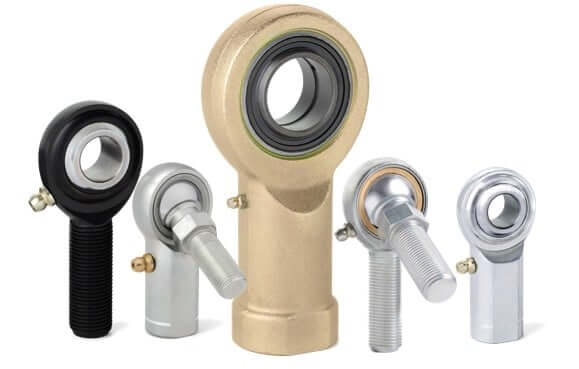
Greasable rod ends allow users to apply fresh grease over time, which can extend the life of the bearing significantly—assuming they’re maintained properly.
Advantages:
Serviceable – Re-greasing helps prolong product life
Versatile – Suitable for a wide variety of industrial uses
Cost-effective – Durable with the right maintenance
Best for:
Applications with scheduled maintenance intervals
Equipment exposed to dirt, water, or other contaminants
Moderate-load applications with regular service access
Heads-up:
Greasable (male) rod ends tend to have lower load ratings than other options. That’s because drilling the body to install a grease fitting slightly reduces the component’s structural integrity. In most cases, this isn't an issue—but always confirm load specs before finalizing your selection.
Which Rod End Is Right for Your Application?
There’s no one-size-fits-all answer—each rod end style has its strengths depending on your system’s motion profile, environment, and maintenance needs:
| Rod End Type | Best For | Considerations |
|---|---|---|
| Metal-to-Metal | High strength, high heat, fixed-position | No built-in noise or vibration insulation |
| Self-Lubricating/PTFE | Articulation, low maintenance, noise damping | Temp limits, no re-greasing |
| Greasable | Serviceable systems, dirty environments | Requires regular maintenance, lower load rating |
Count on QA1 for the Right Fit
At QA1, we offer these three rod end styles (and more)—engineered for performance, durability, and ease of installation. Whether you're building a precision motion system or rugged industrial equipment, we can help you find the perfect rod end for your project.
Not sure which type is right? Contact our team to talk through your specs—we’re here to help.