Big Wheel Suspension Buyer's Guide
Table of Contents
- CHOOSING THE RIGHT SUSPENSION FOR DONKS, BOX CHEVYS, G-BODIES & BUBBLES
- WHAT IS BIG WHEEL SUSPENSION?
- WHY STANDARD SUSPENSION KITS DON’T ALWAYS WORK FOR BIG WHEELS
- WHY SHOCK LENGTH MATTERS ON BIG WHEEL CARS
- WHY WHEEL CENTERING MATTERS ON DONKS, BOX CHEVYS & G-BODIES
- WHY SUSPENSION GEOMETRY MATTERS ON BIG WHEEL CARS
- TURNING RADIUS & SWAY BAR CLEARANCE PROBLEMS
- CHOOSING THE RIGHT BIG WHEEL SUSPENSION FOR YOUR BUILD
- WHY QA1 BIG WHEEL SUSPENSION IS DIFFERENT
- FIND THE RIGHT BIG WHEEL SUSPENSION FOR YOUR BUILD
- FAQs
CHOOSING THE RIGHT SUSPENSION FOR DONKS, BOX CHEVYS, G-BODIES & BUBBLES
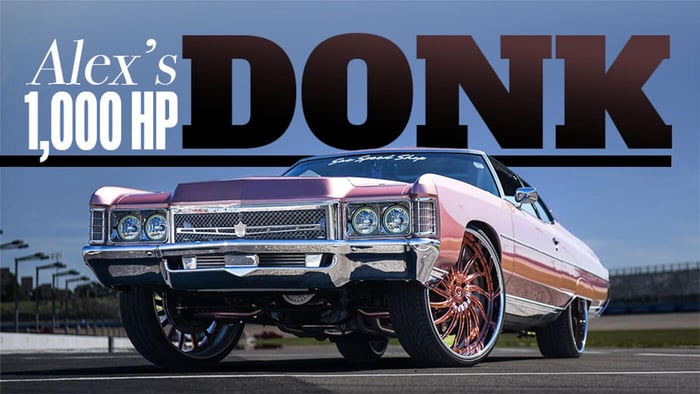
If you’re building a Donk, Box Chevy, Bubble, G-body, or A-body on big wheels, suspension becomes one of the most important parts of the build. Big wheels completely change how these cars sit, ride, steer, and drive. That’s why not every suspension kit that bolts onto your car is actually designed for big wheel applications.
A lot of older setups were pieced together using factory parts, lowering components, spacers, or universal aftermarket pieces. They got the wheels under the car, but they often introduced compromises in ride quality, wheel positioning, suspension travel, rubbing, and overall drivability issues.
That’s where purpose-built big wheel suspension becomes important. A properly engineered system is designed around the ride height, wheel size, stance, and suspension geometry these cars actually need to run correctly.
This buyer’s guide breaks down the biggest suspension challenges with Donks, Box Chevys, Bubbles, G-bodies, and A-bodies, along with what to look for when choosing the right big wheel suspension setup for your build.
WHAT IS BIG WHEEL SUSPENSION?
Big wheel suspension refers to suspension systems specifically designed to work with oversized wheel and tire packages while still maintaining ride quality, proper wheel and tire clearance, suspension travel, and drivability.
Unlike traditional lowering kits, big wheel suspension systems are designed around raised front ride heights and large diameter wheels.
Common applications include:
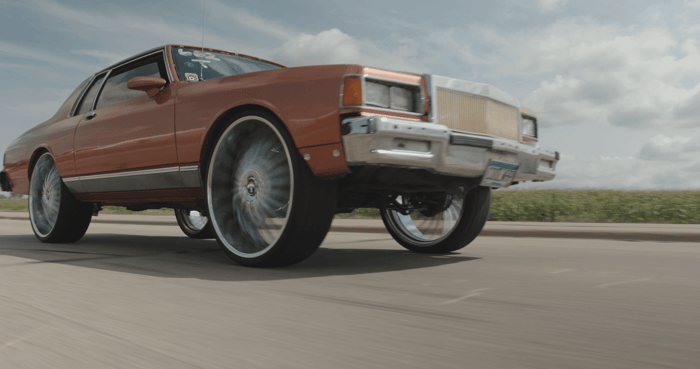
- DONKS | 1971–1976 GM B-BODY -26–28” wheels
- BUBBLE | 1991–1996 GM B-Body - 26–28” wheels
- BOX CHEVYS | 1977–1990 GM B-BODY -26–28” wheels
- G-BODIES | 1978–1988 GM G-BODY - Typically 24” wheels
- A-BODIES | 1968–1972 GM A-BODY - Commonly 24–26” wheels
As wheel size increases, suspension geometry, shock travel, wheel placement, and steering clearance all become more important.
WHY STANDARD SUSPENSION KITS DON’T ALWAYS WORK FOR BIG WHEELS
One of the biggest misconceptions in the big wheel world is assuming any aftermarket suspension kit will work properly once larger wheels are installed.
The reality is, many suspension kits on the market were originally designed to lower cars, not raise them to clear 26”, 28”, or larger wheel packages.
That creates several common problems:
- Shocks running out of travel
- Poor ride quality
- Tire rubbing
- Wheels sitting too far forward or rearward in the wheel opening
- Reduced turning radius
- Alignment problems
- Unstable steering feel
Just because the wheels fit under the car doesn’t mean the suspension is actually happy there.
Big wheel cars place very different demands on the suspension compared to a traditional lowered street car.
WHY SHOCK LENGTH MATTERS ON BIG WHEEL CARS
One of the biggest problems with pieced-together big wheel setups is incorrect shock length.
To clear larger wheels, the front ride height usually needs to come up. But many standard coil-over systems were never designed to operate at those ride heights.
That creates issues like:
- Limited suspension travel
- Bottoming out
- Harsh ride quality
- Poor suspension control
- Unstable handling
A properly designed big wheel suspension system uses shock lengths specifically matched to the ride height these cars actually run.
That helps the suspension work correctly throughout its travel range while improving ride quality and control.
Instead of trying to force a lowering suspension setup into a big wheel application, the suspension should be designed around the final stance and wheel package from the beginning.
WHY WHEEL CENTERING MATTERS ON DONKS, BOX CHEVYS & G-BODIES
One thing big wheel owners notice immediately is wheel placement in the wheel well.
Nobody wants the wheel shoved too far forward or sitting unevenly in the opening.
Factory trailing arms and many aftermarket control arms use fixed lengths, which can create fitment problems once ride height changes are made.
The result is often:
- Tire rubbing
- Uneven wheel gaps
- Clearance problems
- Wheels not sitting centered in the wheel opening
Adjustable trailing arms help solve this by allowing the rear wheel position to be dialed in correctly.
A properly centered wheel not only looks better, but also improves clearance and suspension movement, and overall safety.
WHY SUSPENSION GEOMETRY MATTERS ON BIG WHEEL CARS
As these cars sit higher to clear larger wheels, the suspension geometry changes too.
Many factory suspension systems were never intended to operate at the ride heights commonly used with 26–28” wheels.
Without correcting geometry, cars can end up with:
- Poor alignment
- Incorrect camber gain
- Unstable handling
- Poor steering feel
- Increased tire wear
That’s why purpose-built big wheel suspension kits account for these geometry changes as part of the overall design.
The goal isn’t just getting the wheels to fit. The goal is making the car actually drive right with them installed.
TURNING RADIUS & SWAY BAR CLEARANCE PROBLEMS
On some platforms, especially G-bodies, turning radius becomes a major issue once oversized wheels are installed.
A common problem is sway bar clearance. Many factory-style sway bars interfere with wheel movement when larger wheel packages are added.
That often forces compromises like:
- Reduced steering angle
- Tire rubbing
- Poor maneuverability
QA1’s G-body big-wheel suspension kit uses a narrower sway bar design with improved clearance. This allows the suspension and steering system to work together correctly while maintaining drivability.
CHOOSING THE RIGHT BIG WHEEL SUSPENSION FOR YOUR BUILD
By now, you've probably noticed a common theme: fitting big wheels is about much more than simply creating clearance.
The right suspension system needs to address ride height, shock travel, wheel centering, suspension geometry, steering clearance, and overall drivability. When those pieces work together, you get the stance you want without sacrificing how the car rides or drives.
That's why QA1 developed complete big wheel suspension systems specifically for Donks, Box Chevys, Bubbles, G-bodies, and A-bodies.
Rather than piecing together components from multiple manufacturers, QA1's systems are engineered to work together as a package, helping solve the most common challenges associated with oversized wheel fitment.
Whether your goal is building a clean street cruiser, a high-end show car, or a serious performance build, QA1 offers three levels of big wheel suspension to match your needs.
LEVEL 1 BIG WHEEL SUSPENSION KIT
Best For:
- Street-driven builds
- Achieving the right stance
- Improving wheel fitment
- Better ride quality
Level 1 is designed for builders looking to solve the most common big wheel fitment challenges while improving how the car rides and drives.
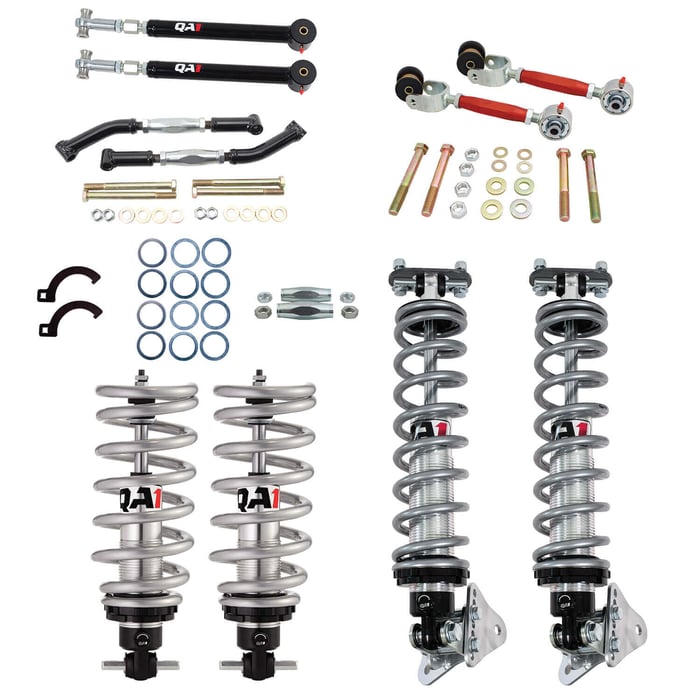
Key features include:
- Coil-over suspension
- Adjustable rear trailing arms
- Sway bar upgrades
By addressing ride height and wheel positioning, Level 1 helps get the car sitting correctly while improving overall drivability and reducing common fitment issues.
LEVEL 2 BIG WHEEL SUSPENSION KIT
Best For:
- Higher-performance street builds
- Improved handling
- More suspension tuning capability
- Drivers wanting both appearance and performance
Level 2 builds on the foundation of Level 1 by adding upgraded control arms and double adjustable shocks.
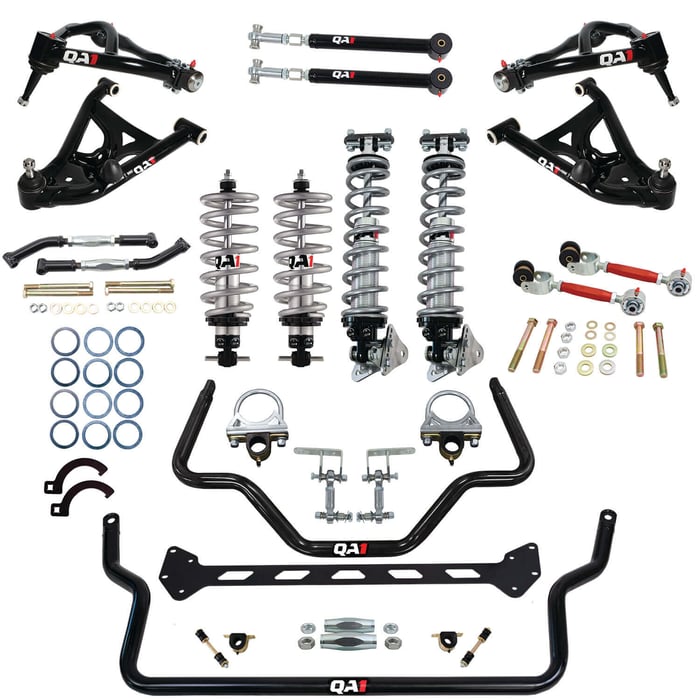
Key features include:
- Corrected suspension geometry
- Double adjustable shocks
- Adjustable rear wheel positioning
- Enhanced suspension control
For many enthusiasts, Level 2 is the sweet spot. It delivers the stance and fitment benefits big wheel owners want while providing additional control over ride quality and handling.
LEVEL 3 BIG WHEEL SUSPENSION KIT
Best For:
- High-end builds
- Bigwheeldrag racing
- Maximum performance
- Builders wanting the best QA1 has to offer
Level 3 includes QA1's MOD Series shocks, delivering the highest level of performance and adjustability in the lineup.
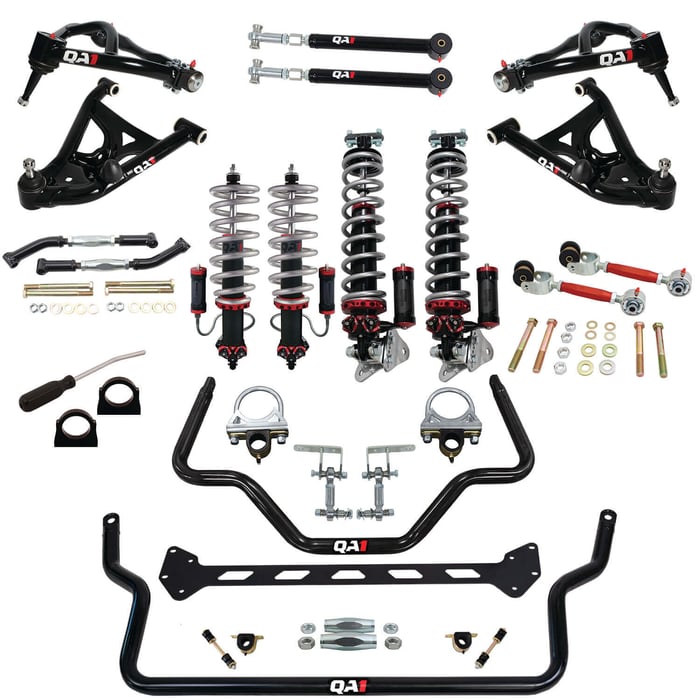
Key features include:
- MOD Series shocks
- Advanced adjustability
- Maximum suspension control
- Premium appearance
Whether you're chasing performance, looking for every available adjustment, or simply want the flagship package, Level 3 represents the most advanced big wheel suspension system QA1 offers.

WHY QA1 BIG WHEEL SUSPENSION IS DIFFERENT
Many suspension kits can help you fit big wheels on your car.
QA1's approach is different because the systems were engineered specifically around the challenges big wheel owners face every day.
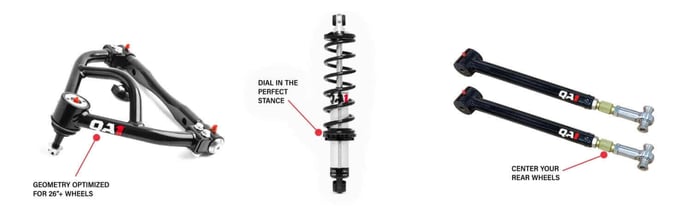 Instead of adapting suspension designed for lowered vehicles, QA1 big wheel systems are built around:
- Raised ride heights
- Proper shock travel
- Wheel centering
- Corrected suspension geometry
- Steering clearance
- Large wheel fitment
The result is a suspension system that doesn't just help the wheels fit. It helps the entire vehicle work together as intended.
That means:
- Better ride quality
- Improved wheel placement
- More predictable handling
- Better steering feel
- Less rubbing and clearance issues
- The stance you're after without sacrificing drivability
FIND THE RIGHT BIG WHEEL SUSPENSION FOR YOUR BUILD
Whether you're building a Donk on 28s, a Box Chevy on big wheels, a Bubble cruiser, a G-body street car, or an A-body show build, the right suspension can make the difference between a car that simply looks good and one that looks good and drives right.
QA1 Level 1, Level 2, and Level 3 Big Wheel Suspension Kits are designed specifically for oversized wheel applications, helping you achieve the stance, fitment, ride quality, and performance your build deserves.
Explore the complete lineup and find the system that's right for your build.
FAQs
Do big wheels affect turning radius?
Yes. Oversized wheels can reduce turning radius, especially when components like sway bars interfere with wheel movement. Proper suspension systems address clearance to maintain steering performance
How does suspension geometry affect big wheel vehicles?
Raising a vehicle for larger wheels changes factory suspension geometry. Without correction, this can cause poor alignment, increased tire wear, unstable handling, and reduced steering performance.
What is wheel centering and why does it matter?
Wheel centering ensures the wheel sits evenly in the wheel opening. Poor centering can lead to rubbing, uneven gaps, and clearance issues. Adjustable trailing arms help correct this and improve overall safety and appearance.
Why is shock length important for big wheel cars?
As ride height increases to fit larger wheels, improperly sized shocks can limit suspension travel, causing bottoming out and poor ride quality. Proper big wheel suspension uses shock lengths matched to the vehicle’s actual ride height.
What makes QA1 big wheel suspension kits different?
QA1 systems are purpose-built for big wheel applications. They are engineered around:
- Raised ride heights
- Correct shock travel
- Wheel centering
- Proper suspension geometry
- Steering clearance
This results in better ride quality, handling, fitment, and overall drivability.